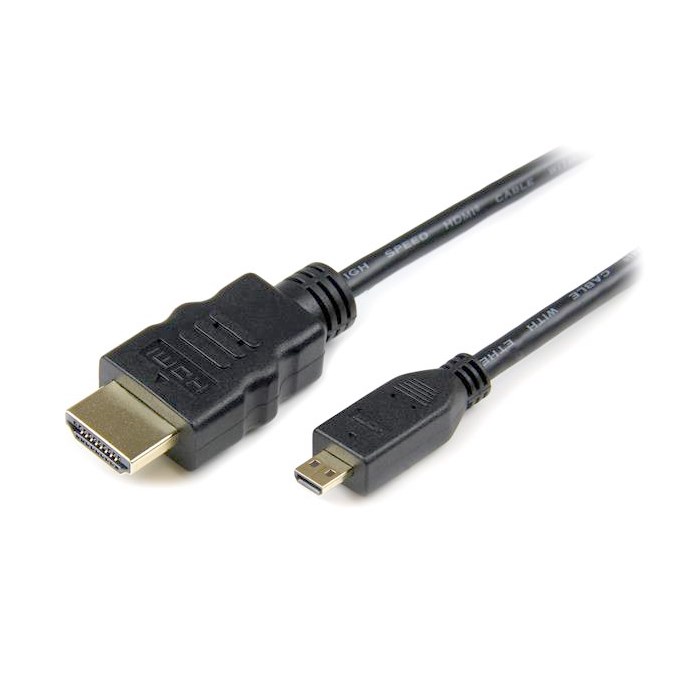
Understanding HDMI Cables: How They Enhance Your Viewing Experience
HDMI cables, or High-Definition Multimedia Interface cables, play a crucial role in delivering high-quality audio and video from your devices to your screen. By providing a single cable solution that transmits uncompressed digital signals, they are capable of supporting high-definition video resolutions up to 4K and beyond, along with multi-channel audio formats.
Moreover, the enhanced capabilities of HDMI cables come with various versions, such as HDMI 1.4, 2.0, and the latest 2.1, each offering unique features like
- 4K support
- Higher refresh rates
- Dynamic HDR
Counter-Strike is a popular tactical first-person shooter game that has captivated gamers worldwide since its release. Renowned for its competitive gameplay and team dynamics, the game features various modes where players must strategize to complete objectives. For those looking to enhance their viewing experience of gaming content, check out the Top 10 apple tv streaming accessories that can help elevate your streaming setup.
The Different Types of HDMI Cables: Which One Do You Need?
HDMI cables are essential for connecting devices like TVs, gaming consoles, and computers, but not all HDMI cables are created equal. The main types include Standard HDMI, which is suitable for most non-HD devices; High-Speed HDMI, ideal for 1080p and 4K videos; and Ultra High-Speed HDMI, designed for the latest 8K TVs and advanced features like HDR. If you're unsure which one to choose, consider what devices you have and the resolutions you plan to use.
When selecting an HDMI cable, you might also come across specialized variants such as HDMI with Ethernet and Audio Return Channel (ARC) cables. The former allows for data transfer alongside audio and video signals, while the latter simplifies audio connectivity by enabling your TV to send audio signals back to a compatible receiver or soundbar. To make the best choice, assess your setup and prioritize according to your media consumption needs for an optimal experience.
Common HDMI Cable Issues and How to Troubleshoot Them
HDMI cables are essential for transmitting high-definition audio and video between devices, but they are not without their challenges. Common HDMI cable issues include a blank screen, inconsistent audio, and the dreaded 'handshake' problem, where devices fail to establish a stable connection. First, ensure that your cables are properly connected and free from damage, as physical wear can lead to connectivity problems. If the connections seem secure, try using a different HDMI port on your device, or test the cable on another compatible device to isolate the issue.
Another frequent issue arises from compatibility between devices. Sometimes, older HDMI versions may not support newer features, such as 4K resolution or HDR. To troubleshoot this, verify that both your source and display devices support the necessary HDMI standards. If problems persist, consider resetting your devices or updating their firmware. In cases where cable length might be an issue, using an HDMI extender or active cable can help maintain signal integrity over long distances. By following these steps, you can effectively resolve most HDMI cable issues and enjoy seamless connectivity.