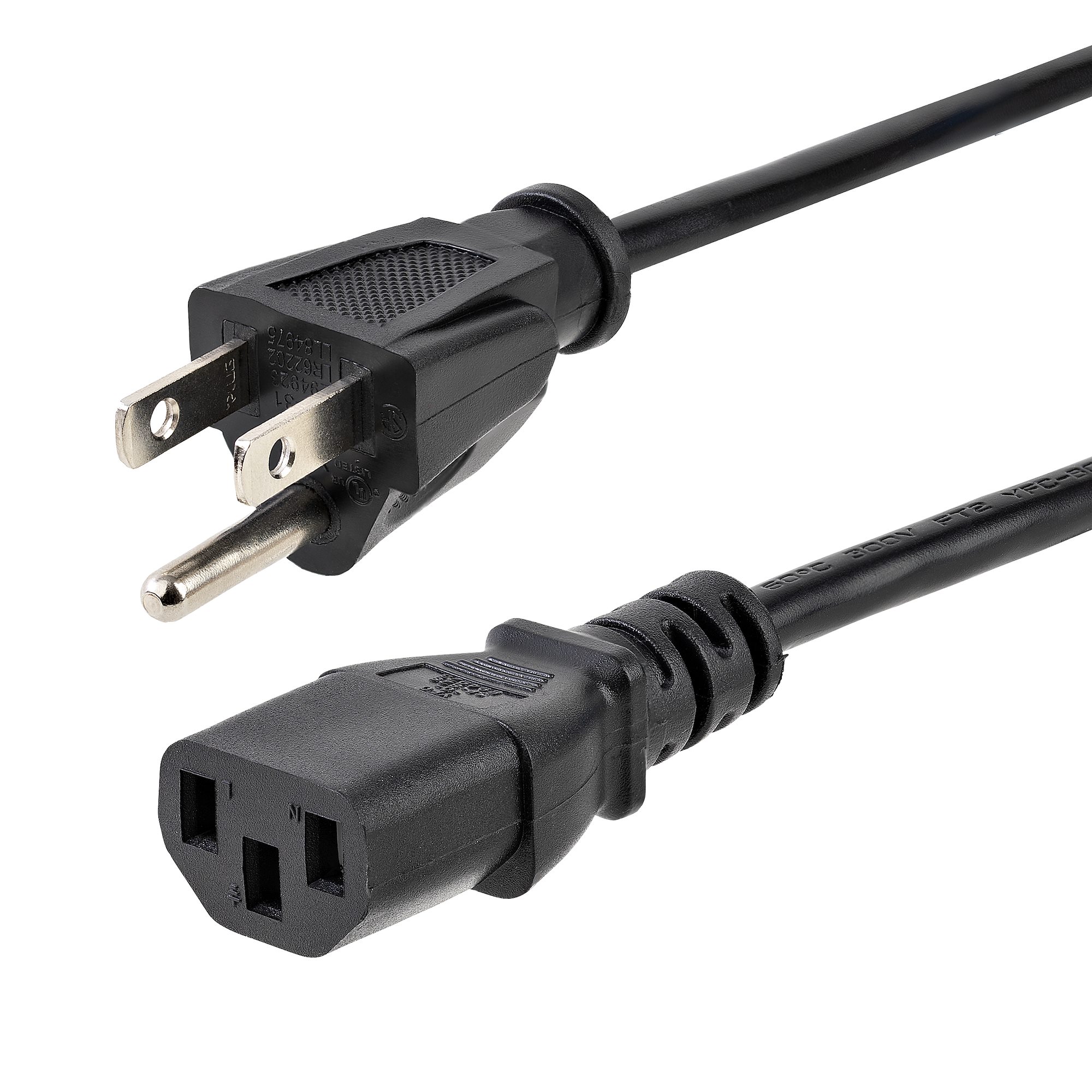
Understanding the Different Types of Cables: Which One Do You Need?
When it comes to technology and electronics, understanding the different types of cables is essential for choosing the right one for your needs. Cables come in various forms, each designed to serve specific purposes. Some of the most common types include HDMI cables, used for high-definition video and audio transmission, and USB cables, which are essential for connecting devices to computers or chargers. Additionally, Ethernet cables are crucial for wired internet connections, while audio cables transmit sound signals in various formats. Each type of cable has its unique specifications and potential applications, making it important to identify your requirements before making a purchase.
To simplify the selection process, here’s a brief overview of the most common cables and their uses:
- HDMI Cables: Perfect for connecting TVs, projectors, and gaming consoles for superior video quality.
- USB Cables: Ideal for data transfer and charging devices, available in various types like USB-A, USB-B, and USB-C.
- Ethernet Cables: Used for networking, ideal for streaming and online gaming.
- Audio Cables: Essential for connecting speakers, microphones, and instruments.
By understanding these various types, you can make an informed decision about which cable best meets your needs.
Counter-Strike is a popular first-person shooter game that has become a staple in the esports community. The game emphasizes team strategy and communication as players join either the Terrorist or Counter-Terrorist side. Whether you're looking to improve your aim or learn advanced tactics, there are plenty of resources available. For instance, if you're also looking for reliable accessories, check out the Top 10 iPhone charging cables to enhance your gaming setup.
The Importance of Quality Cables: How They Impact Your Tech Performance
In today's tech-driven world, the quality of cables is often overlooked, yet they play a crucial role in determining the performance of your devices. From USB to HDMI, the materials used in cable construction can significantly affect data transfer speeds, signal integrity, and overall durability. High-quality cables are designed with enhanced shielding and better conductivity, which minimizes interference and provides a more stable connection. When investing in tech, it is essential to consider that a reliable cable can mean the difference between seamless performance and frustrating lags or drops.
Moreover, using subpar cables can lead to a range of issues, including slower charging times for your devices and diminished audio or video quality. For instance, a poorly made HDMI cable can compromise the clarity of your visuals, resulting in a less enjoyable media experience. To ensure that your devices operate at their best, investing in quality cables is not just advantageous but necessary. In summary, choosing the right cables is integral to achieving optimal tech performance and longevity, ultimately enhancing your overall user experience.
Common Cable Issues and How to Troubleshoot Them
When it comes to common cable issues, it's essential to identify the problem effectively to ensure a smooth troubleshooting process. Loose connections are often the leading cause of issues; make sure all cable connections are secure. Check for any signs of damage, such as fraying or kinks, which could indicate that a replacement is necessary. Additionally, signal interference can disrupt performance, often caused by other electronic devices nearby. Always try repositioning cables away from potential sources of interference to see if the situation improves.
Another frequent issue is cable length. Cables that are too long can weaken the signal strength, leading to poor performance. If you're experiencing connectivity problems, consider using shorter cables or installing a signal booster. Also, keep an eye on corroded connections, which can hinder the quality of the signal significantly. Regularly inspect and clean the connectors with appropriate cleaning solutions to maintain optimal performance.