Unraveling the Mystery: How to Manage and Organize Your Everyday Cables
In today's tech-savvy world, managing and organizing your everyday cables can often feel like an insurmountable challenge. With multiple devices requiring power and connectivity, it's easy for your workspace to become a tangled mess of cords. Unraveling the mystery of cable organization starts with understanding the type of cables you have. Begin by categorizing them into groups based on their function, such as charging cables, audio/video cables, and data transfer cables. Once categorized, consider using labeled storage bins or baskets to keep these cables neatly organized and easily accessible.
Another effective strategy for managing your cables is to invest in cable management solutions. Utilize tools like cable ties, clips, or sleeves to group and secure cables together. You can even incorporate creative solutions such as repurposing toilet paper rolls to keep smaller cables from tangling. Additionally, when setting up your workspace, try to implement a cable routing system to minimize visible clutter. By following these simple tips, you'll not only simplify your daily routine but also create a cleaner, more productive environment.
Counter-Strike is a popular first-person shooter game that emphasizes teamwork and strategy. Players can choose to play as terrorists or counter-terrorists, each with specific missions and objectives. For gamers looking to enhance their gaming experience, checking out the Top 10 usb c accessories can be beneficial, as the right equipment can significantly impact performance.
The Hidden Dangers of Tangled Cords: Safety Tips for Your Home
Tangled cords may seem like a minor annoyance, but they can pose significant safety hazards in your home. Whether it's power cords, charging cables, or extension cords, these twisted wires can create tripping hazards, especially in high-traffic areas. Proper cord management is essential to maintaining a safe environment, particularly for households with children and pets. To minimize risks, consider implementing a few key strategies that can transform your space into a safer place:
- Use cord organizers or clips to keep cords in designated areas.
- Regularly inspect cords for signs of wear and replace damaged ones immediately.
- Ensure that cords are not running under rugs or furniture where they can become a tripping hazard.
Additionally, it’s crucial to understand that tangled cords can also lead to electrical hazards. Excessive heat buildup from tangled cords can potentially cause electrical fires. To enhance safety, prioritize the following protective measures:
- Keep cords away from heat sources, including radiators and warm appliances.
- Do not overload outlets with multiple cords, as this can increase the risk of overheating.
- Implement multi-outlet surge protectors to manage electrical loads safely.
By adhering to these safety tips, you can protect your home and loved ones from the hidden dangers that tangled cords present.
A Closer Look at the Life of Your Cables: From Creation to Daily Use
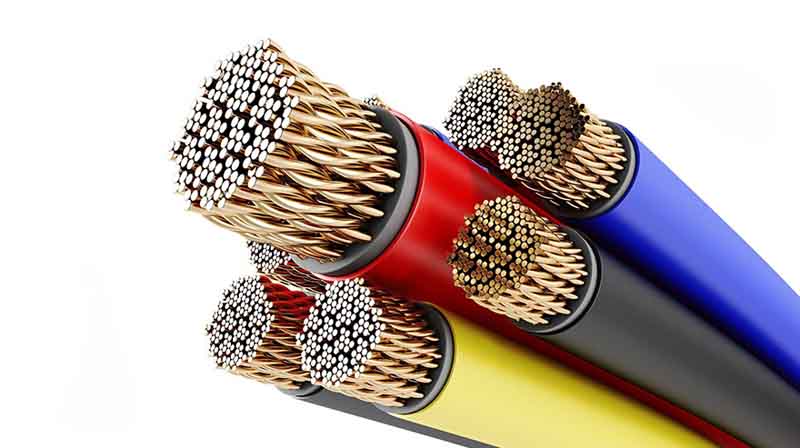
When we consider the everyday technology we use, we often overlook the journey that our cables take from their inception to their presence in our lives. The production of cables begins with the selection of materials, such as copper or fiber optics, which are carefully chosen for their conductivity and performance. Following this, manufacturing processes involve intricate steps, including insulation and shielding. This complexity translates to the various types of cables available today—each designed for specific functions, from power delivery to data transmission. Understanding this background makes us appreciate the significance of quality in the cables we use daily.
Once produced, cables enter the marketplace, where they find their way into our homes and businesses. As we utilize these essential components, they facilitate crucial tasks—from charging our devices to connecting our computers to the internet. However, the lifecycle of cables does not end with their daily use. Over time, wear and tear can lead to degradation, requiring proper maintenance and even recycling. By taking care of our cables and being mindful of their longevity, we not only ensure optimal performance but also contribute to a more sustainable environment.