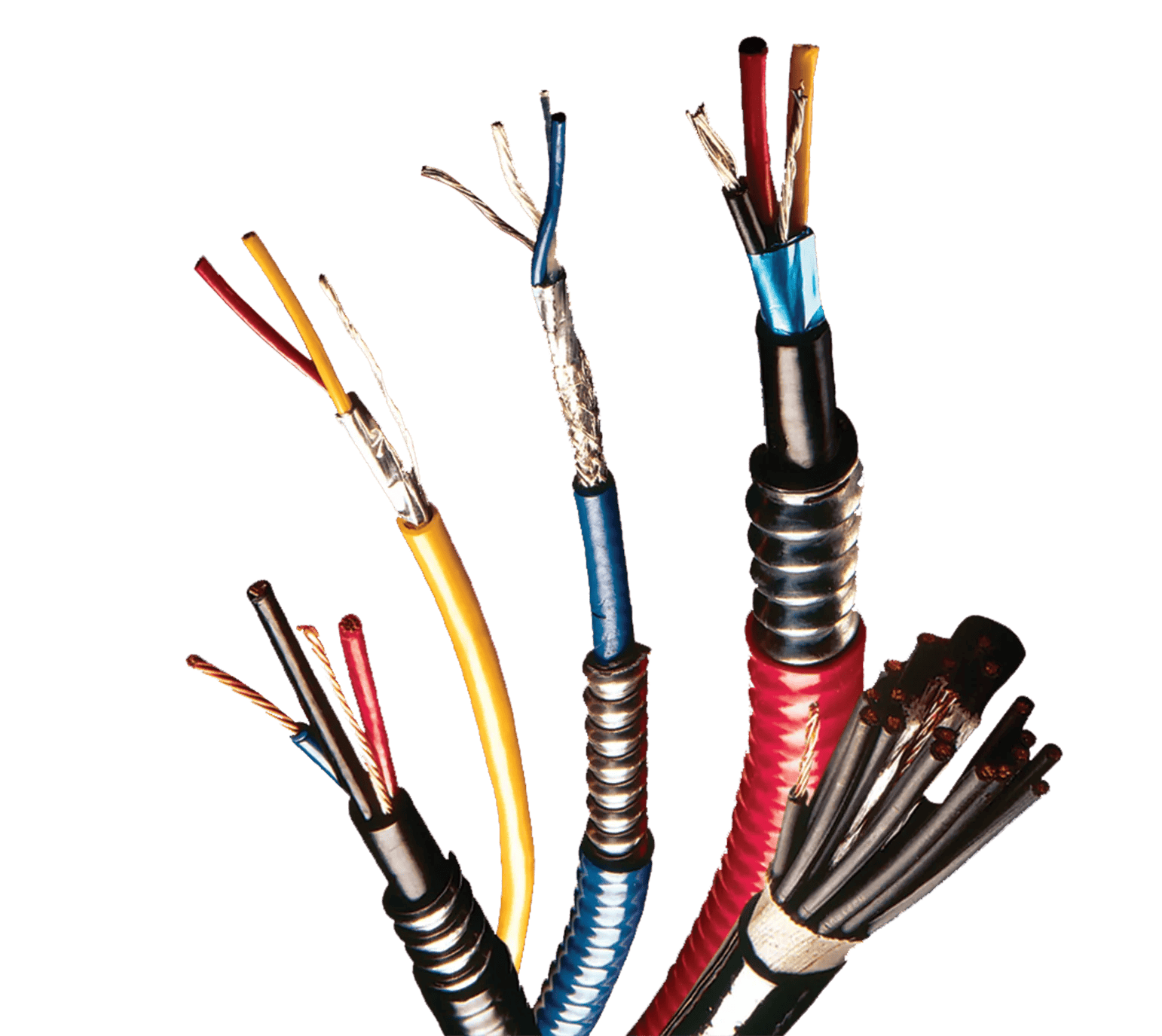
The Unsung Heroes of Connectivity: How Cables Influence Our Daily Lives
In today's fast-paced digital world, cables often go unnoticed, yet they play a crucial role in connecting our lives. From the moment we wake up to the sound of our smartphone alarms to the time we binge-watch our favorite series in the evening, the connection is sustained by a myriad of cables working behind the scenes. These unsung heroes facilitate a staggering array of tasks, including internet browsing, online shopping, and even video conferencing. Without a reliable network of cables—be it coaxial, fiber optic, or USB—our daily experiences would be drastically altered.
Moreover, the evolving landscape of technology continues to amplify the importance of cables in our day-to-day operations. With the rise of smart homes and IoT devices, these physical connections enable seamless communication between devices, enhancing convenience and efficiency. Consider the intricate web of cables that allow your smart thermostat to respond to your commands or your security cameras to relay information in real time. As we become increasingly dependent on technology, the role of cables as connective tissue in our lives will only grow more significant, ensuring that we stay linked to the digital world around us.
Counter-Strike is a highly popular first-person shooter game that pits teams of terrorists against counter-terrorists in a variety of strategic missions. Players choose from various roles and weapons, emphasizing teamwork and skill. If you're looking to enhance your gaming experience, be sure to check out the Top 10 Android Charging Cables for uninterrupted play.
Cable Quality Matters: Understanding the Impact of Different Types on Performance
When it comes to technology, the quality of cables is often overlooked, yet cable quality matters significantly in determining performance. Different types of cables, whether for audio, video, or power, can affect signal integrity and overall device efficiency. For instance, HDMI cables vary in their ability to handle resolutions and refresh rates. High-quality HDMI cables support 4K and even 8K video, while cheaper alternatives might struggle with these standards. This disparity can lead to pixelation, disconnections, or even failure to transmit signals altogether. In a world increasingly reliant on digital outputs, understanding the impact of cable quality is essential.
Furthermore, it's important to consider the materials and construction of cables when assessing their quality. For example, copper cables generally provide better conductivity compared to their aluminum counterparts, leading to improved performance over longer distances. Here are a few factors to keep in mind when evaluating cable quality:
- Shielding: Well-shielded cables reduce interference from other electronic devices.
- Connector Quality: Gold-plated connectors resist corrosion and ensure better connectivity.
- Length: Longer cables may suffer from signal loss, so opt for shorter or high-quality alternatives.
By prioritizing quality, users can enhance their overall experience, making cable quality matters a fundamental consideration in any tech setup.
Are Your Cables Holding You Back? Common Issues and How to Fix Them
In today's fast-paced digital world, cable management is often overlooked, yet it plays a crucial role in ensuring efficient device performance. Are your cables holding you back? Common issues like tangled wires, inadequate lengths, and poor-quality cables can hinder your productivity and lead to frustrating technology failures. To start addressing these issues, consider organizing your cables with cable ties or clips, which can help prevent tangling. Additionally, investing in high-quality cables can vastly improve connectivity and device performance, giving you peace of mind as you work.
Another prevalent issue arises when cable clutter takes over your workspace, making it difficult to locate essential cords quickly. This not only affects your workflow but can also be a safety hazard. To fix this, assess your current setup and create a designated area for each device's cables. Utilize cable trays, sleeves, or raceways to keep them neatly bundled and out of sight. By tackling these common cable problems head-on, you can enhance the usability of your space, prevent equipment damage, and ultimately improve your overall productivity.